Fell & Sell Forest Guide: Resources and Safe Returns
Find the forest, gather wood, stone, leather, mushrooms, and event loot, then return safely with materials ready for crafting.
Direct answer
Take the route behind the shop to reach the local forest, gather only the basic materials your next recipe needs, and return when the goal is met or risk starts threatening the haul.
Quick answer
- Use the forest for basic materials when a dungeon run adds unnecessary risk.
- Current forest runs can provide wood, stone, leather, mushrooms, and event loot.
- Confirm success when gathered materials appear in storage or the crafting interface.
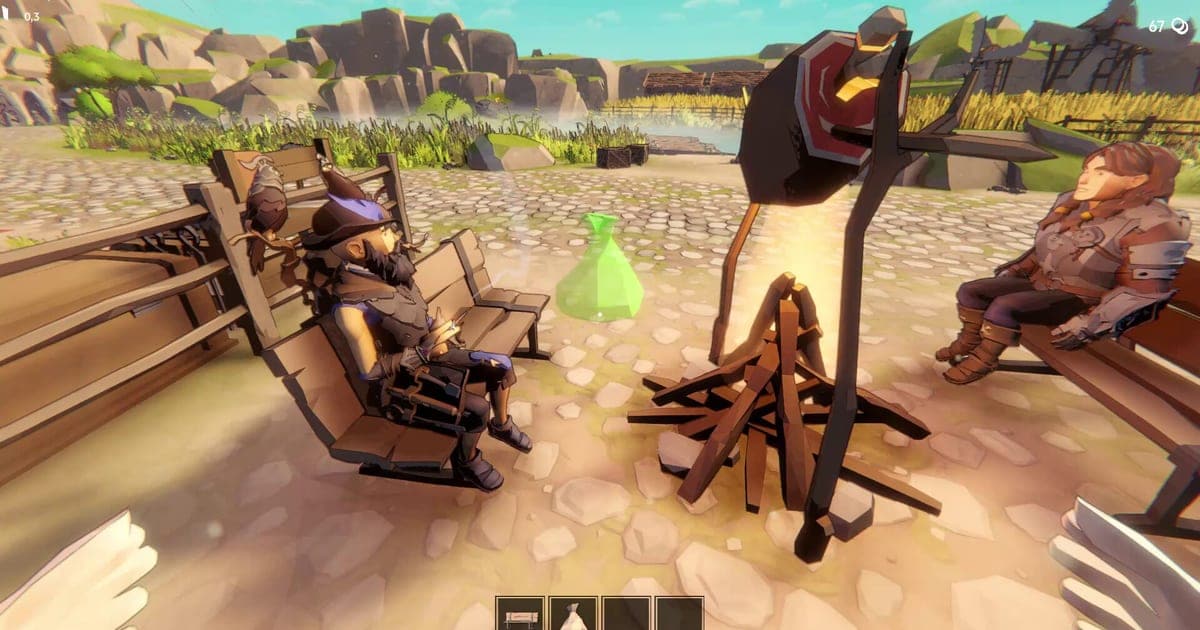
Find and Prepare for the Forest
The local forest is the alternative resource route behind the shop. Start from the shop area, take that route into the forest, and plan to bring the gathered materials back through the same shop-centered loop.
Name the recipe bottleneck before leaving. The forest is most useful when you need basic crafting inputs and a dungeon trip would add risk without serving that task.
- Check which basic material is blocking the next craft.
- Prepare healing, a weapon, and enough carrying room for that target.
- Leave the shop area by the route behind the shop and enter the local forest.
- Read the visible weather, event, and encounter conditions before moving deeper.
- Gather the target materials and return when the goal is complete, space is tight, or combat risk threatens the haul.
- Confirm the materials are available in storage or the crafting interface back at the shop.
If this is your first resource cycle, the first safe dungeon-to-shop progression loop explains how a stored backup and a clear return goal protect the next attempt.
Gather the Resources You Actually Need
Current forest footage shows five useful early resource groups. Pick the group that serves the next recipe, then judge the run by whether that material reaches the shop.
| Forest resource | Confirmed role in this route | Practical decision |
|---|---|---|
| Wood | Gathered as an early recipe material. | Collect it when wood is the current crafting bottleneck. |
| Stone | Gathered as an early recipe material. | Stop adding stone once the intended craft is covered or space gets tight. |
| Leather | Gathered as an early recipe material. | Prioritize it only when the next recipe calls for it. |
| Mushrooms | Gathered as an early recipe material. | Bank them before changing conditions make the haul harder to protect. |
| Event loot | Available through changing forest events. | Take it when the active run exposes it and the extra risk still fits the plan. |
The forest solves basic input shortages. When the goal changes to rarer deep-floor loot, use the dungeon preparation and extraction framework to evaluate that separate risk. If gathered materials reveal a space or fixture bottleneck, the shop expansion and furniture recovery plan covers the next investment.
A Current Forest Resource Run
See the route from the shop area, early forest gathering, changing conditions, and the return that makes materials available for crafting.
Read Weather, Events, and Combat Risk
Forest conditions can change with weather and events, and a run can include hostile goblin encounters. Recheck what is visible when you enter instead of assuming the previous trip will repeat.
| Visible state | Expected response | Progress check |
|---|---|---|
| The route looks manageable | Keep the planned healing, weapon, and carrying room. | You can gather the target material without abandoning the return margin. |
| Weather or an event changes the run | Reassess how far you should gather before turning back. | The original material goal still fits the changed conditions. |
| Hostile encounters raise the risk | Protect the gathered haul and shorten the route. | You still have a clear return path and enough margin to use it. |
| Carrying room becomes tight | Stop collecting unrelated materials. | The items already held cover the intended recipe need. |
Conditions change, so treat visible entry information as the basis for each plan. Fixed spawn patterns or event schedules are outside the verified scope of this route.
Know When to Return to the Shop
Leave the forest when any one of these conditions is true: the required recipe materials are secured, carrying room is tight, or combat risk begins to threaten the haul. Staying longer only helps when the extra gathering still serves the named crafting goal and preserves a safe return.
A successful forest trip is measured at the crafting interface, not at the farthest tree line. The final checkpoint comes after the return, when the materials are visible in storage or ready to use in crafting.
| Before leaving the forest | After reaching the shop |
|---|---|
| Target materials are secured. | Those materials appear in storage or crafting. |
| The haul still has a safe route home. | The run can now advance the intended recipe. |
| Extra combat risk no longer serves the goal. | The next bottleneck is visible before another trip begins. |
Recover When a Forest Run Goes Wrong
Use the smallest check that distinguishes your current state from the expected result.
| Symptom | Expected state | Next check |
|---|---|---|
| You cannot locate the forest route | You are starting from the shop area and looking behind the shop. | Return to the shop area, reorient there, and identify the forest route before planning the haul. |
| The run starts under different conditions | Weather or an event has changed what is visible. | Recheck healing, weapon, and carrying room before moving deeper. |
| Combat risk rises before the target is complete | The haul still has a safe return margin. | Shorten the route and secure what is already gathered. |
| The material does not advance crafting | A successful return makes it available in storage or crafting. | Confirm the shop return and check the material against the recipe bottleneck named before departure. |
Frequently Asked Questions
Was this helpful?
Continue reading
These related Fell & Sell pages answer the next questions around this topic.