Fell & Sell Decoration Bonus Guide
Compare Fell & Sell decoration bonuses, test duplicate stacking, read diminishing returns, and build a focused shop bonus mix.
Direct answer
The same named decoration bonus can stack, though observed duplicates contribute less after the first copy. Compare the live next-bonus and amount-set readouts before every additional placement.
Quick answer
- Use comfort and prestige for customer-facing goals.
- Use carry, drop, recipe, and combat effects for expeditions.
- Verify every duplicate through the updated bonus readout.
- Let the current bottleneck choose the next decoration.
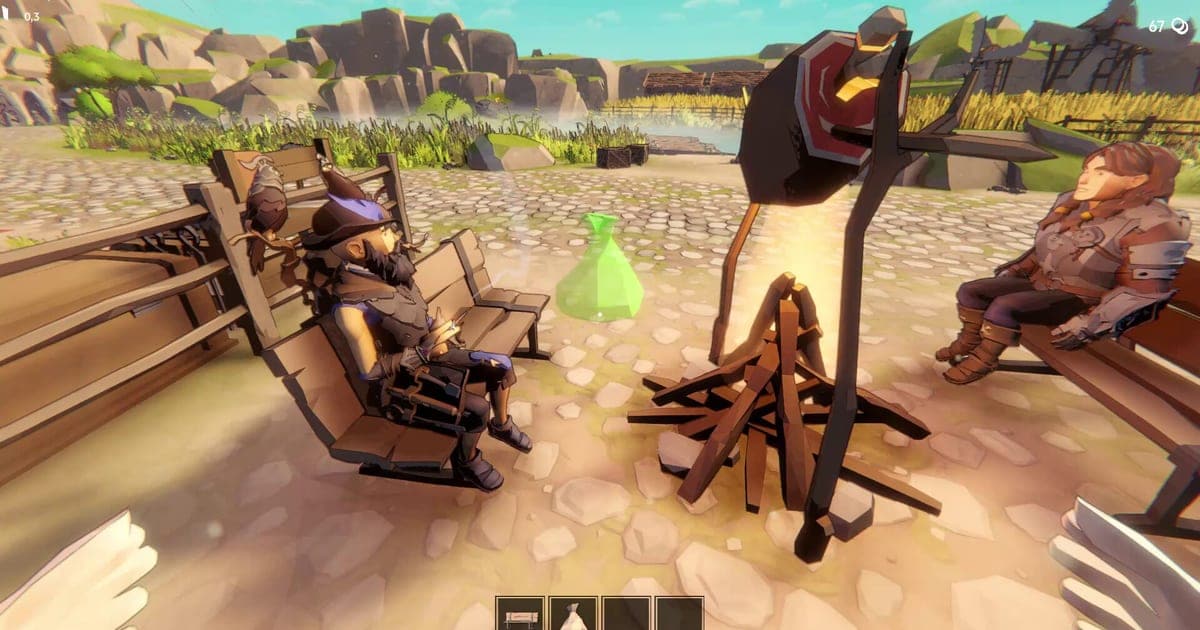
Decoration Bonus Decisions at a Glance
The same named decoration bonus can stack in observed gameplay. Additional copies can contribute less than the first, so the useful question is how much the next copy adds to the goal you care about. Read the displayed next-bonus value before placement, then verify that the active amount increases afterward.
| Current goal | Bonus family to inspect | Success check |
|---|---|---|
| Improve customer-facing shop performance | Comfort and prestige | The intended shop-facing amount is active after placement |
| Carry more into or out of a run | Carry capacity | The active amount set reflects the intended carry bonus |
| Improve expedition finds | Drop chance or recipe chance | The selected chance bonus appears in the active mix |
| Strengthen dungeon performance | Relevant combat-stat bonus | The active amount set matches the next run's need |
| Add a duplicate | The same named effect already in use | The readout rises by the displayed next contribution |
A decoration earns its place by fixing the bottleneck you actually have. Begin with the job, compare the current readout, and place only after you can explain what a successful change should look like.
Sort Every Bonus by Its Job
Comfort and prestige belong to the shop side of the loop. They affect traffic, appeal, or other customer-facing performance. When sales are the constraint, compare these effects alongside the choices in the shop pricing guide.
Carry capacity, drop chance, recipe chance, and combat-stat bonuses belong to dungeon preparation and run performance. Carry supports the load you can manage, drop and recipe chances target expedition rewards, and combat effects support the character during a run. Use the dungeon risk and extraction plan to decide which expedition weakness matters most before changing the room.
The two groups can coexist. The stronger choice is the one tied to the next task. A shop bottleneck points toward comfort or prestige. An expedition bottleneck points toward carry, drops, recipes, or combat.
Test a Duplicate Before Committing More Space
Observed gameplay shows duplicate furniture adding the same named bonus more than once. It also shows a smaller next-bonus contribution after the first copy, which signals diminishing returns. The footage comes from an earlier build, so use the workflow and confirm current values in your own interface.
- Record the active amount for the named bonus before moving or placing furniture.
- Read the displayed next-bonus percentage for one additional copy.
- Place or rearrange only that one item so the test has a clear cause.
- Check that the active bonus readout increased after the change.
- Compare the next displayed contribution again before adding another duplicate.
The progress check is visible. If the named amount rises, the duplicate applied. If the following contribution is smaller, judge that reduced gain against an alternative bonus category before using another copy.
See duplicate decoration bonuses and diminishing returns
The demonstration shows where named bonuses appear, how another copy changes the readout, and why current interface values should guide each placement.
Build a Bonus Mix Around the Current Bottleneck
Use a short decision loop each time furniture changes:
- Name the next task: improve sales or prepare an expedition.
- Identify the limiting result within that task.
- Match the bottleneck to the relevant bonus family.
- Compare the next displayed contribution with the existing amount set.
- Change one item and confirm the intended value moved.
- Recheck the full active mix before starting the next run or sales cycle.
| Bottleneck | First comparison | Duplicate decision |
|---|---|---|
| Customer-facing shop performance | Comfort against prestige | Stack only when the next displayed gain still serves the shop goal |
| Carry limitation | Carry capacity against the current active mix | Compare another carry contribution with a different expedition effect |
| Find quality | Drop chance against recipe chance | Choose the effect tied to the reward currently missing |
| Combat readiness | Relevant combat bonus against carry and reward effects | Keep enough expedition support without losing the combat effect the run needs |
If available space or progression is the constraint, continue with the shop upgrade sequence. That keeps the decoration decision connected to the shop's current capacity instead of forcing every bonus into one setup.
Diagnose a Decoration Setup That Feels Wrong
| Symptom | Expected state | Next check |
|---|---|---|
| A duplicate seems to do nothing | The named active amount increases after placement | Compare the amount before and after changing one item |
| Another copy adds less than expected | The next-bonus readout shows the current contribution | Use that displayed value and compare a different category |
| Shop performance is the goal, but the setup favors expeditions | Comfort or prestige is active for the customer-facing task | Reclassify each selected effect by shop or expedition role |
| The next dungeon run lacks the intended support | Carry, drop, recipe, or combat effects match the run's bottleneck | Recheck every active amount-set value after rearranging furniture |
| Results are hard to attribute | One furniture change produces one visible readout change | Return to a single-item test before rebuilding the whole mix |
Do not diagnose the setup from memory alone. The active readout is the progress check, and the next-bonus display is the decision input for another copy.
What the Current Readouts Can Confirm
The broad split is stable: comfort and prestige serve customer-facing shop performance, while carry, drop, recipe, and combat effects support expeditions. Current gameplay also shows the amount-set readout as the final check after furniture is rearranged.
Duplicate stacking and diminishing returns are demonstrated in earlier footage. That supports the test method, though it does not establish one permanent formula or fixed percentage for every current decoration. Read the value shown for the next copy, place one item, and verify the resulting active amount.
Frequently Asked Questions
Was this helpful?
Continue reading
These related Fell & Sell pages answer the next questions around this topic.